


6 Smart Strategies for Building Compliance & Navigating India’s Regulatory Maze
India’s industrial landscape is heavily regulated, making it one of the most challenging environments for Industrial Visionaries and Business Owners looking to undertake building and expansion projects. Navigating the complex web of zoning laws, environmental regulations, safety standards, and approval processes requires meticulous planning and a deep understanding of legal frameworks. Failing to comply with these regulations can lead to unexpected project delays, increased costs, legal penalties, and, in extreme cases, the suspension or cancellation of a building project.
A well-structured approach to regulatory compliance is essential for ensuring that industrial buildings are constructed in line with safety and environmental standards while also minimizing risks associated with non-compliance. Every stage of an industrial building project—from site selection and design approval to construction and operational certification—must align with local and national regulations to avoid unnecessary hurdles. Delays in obtaining permits, failure to adhere to worker safety guidelines, or overlooking environmental impact assessments can all significantly impact timelines and budgets.
Understanding compliance and regulatory best practices is not just about following the law—it’s about ensuring smoother project execution, mitigating financial risks, and securing long-term operational efficiency. A well-planned industrial building that meets all regulatory requirements from the outset will not only streamline approvals and inspections but also provide a more stable foundation for future expansions and modifications. By proactively addressing regulatory challenges, industrial building owners can create safer, more sustainable, and legally sound facilities that enhance both productivity and profitability.
In this article, we will explore:

1. Understanding Local Zoning & Land Use Laws
One of the first and most crucial steps in industrial building construction is ensuring that the selected land is legally permitted for industrial use. A poorly chosen site can lead to extensive delays, legal disputes, and costly modifications that could have been avoided with proper due diligence. Many projects encounter setbacks due to misalignment with zoning laws, unresolved land conversion issues, or conflicting land use regulations that prohibit industrial activities in certain areas.
Before initiating any building plans, it is essential to verify that the land complies with all relevant industrial zoning classifications and environmental regulations. Overlooking these factors can result in delays in securing permits, potential fines, and even forced relocation, leading to significant financial losses. Additionally, industrial building projects must account for factors such as accessibility, infrastructure availability, and future expansion potential, ensuring that the site remains viable for long-term operational needs.
Navigating these complexities requires a thorough understanding of local zoning laws, environmental impact assessments, and regulatory approval processes. Collaborating with legal experts, urban planners, and government agencies can help streamline land acquisition and prevent costly project disruptions. By addressing zoning and land-use challenges early in the building process, businesses can avoid unnecessary delays, optimize construction timelines, and establish a legally compliant industrial facility that supports future growth and expansion.
What Business Owners Gain by Understanding This:
By verifying land-use classification and obtaining the necessary clearances, businesses can avoid future disputes, unnecessary fines, and legal roadblocks that can halt operations.
Implementation Strategies
What Happens If This Strategy is Ignored:
Ignoring zoning laws can result in legal disputes, project suspension, and even demolition orders from authorities, leading to financial losses and wasted investment.
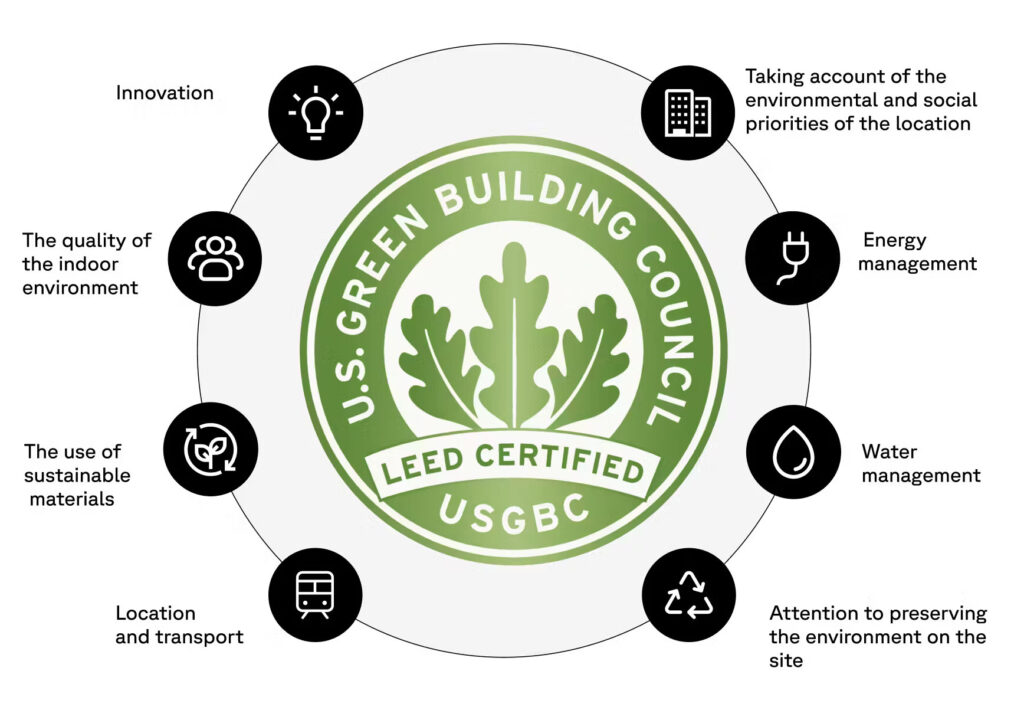
2. Securing Environmental Clearances & Sustainability Compliance
India has strict environmental regulations, particularly for factories and industrial units that may impact the environment. Failing to secure pollution control, waste management, and sustainability approvals can result in severe penalties and business shutdowns.
What Business Owners Gain by Understanding This:
A proactive approach to environmental compliance ensures faster approvals, reduces long-term operational costs, and enhances corporate social responsibility (CSR).
Implementation Strategies
What Happens If This Strategy is Ignored:
Failure to comply with environmental regulations can lead to hefty fines, forced shutdowns, legal cases, and reputation damage, severely affecting business continuity.

3. Navigating Fire & Safety Regulations for Industrial Buildings
Fire safety is one of the most critical compliance factors in industrial buildings. Many factories suffer losses due to poor safety infrastructure, lack of emergency exits, and non-compliance with fire codes.
What Business Owners Gain by Understanding This:
Ensuring fire safety compliance minimizes risks, protects employees, reduces insurance premiums, and ensures smooth project approvals.
Implementation Strategies
What Happens If This Strategy is Ignored:
Ignoring fire safety regulations can lead to business disruptions, loss of lives, expensive penalties, and even forced closure by authorities.

4. Streamlining Factory Licensing & Building Approvals
Obtaining factory licenses and building permits is one of the biggest hurdles in industrial construction. Complex paperwork, multiple government approvals, and slow bureaucracy often cause delays.
What Business Owners Gain by Understanding This:
By securing necessary factory licenses and building plan approvals in advance, businesses can prevent construction delays, avoid legal complications, and accelerate project timelines.
Implementation Strategies
What Happens If This Strategy is Ignored:
Operating without proper licenses can result in legal action, hefty fines, and operational shutdowns—a major financial and reputational risk.

5. Ensuring Compliance with Labor Laws & Workforce Safety
Industrial units must adhere to labor laws, ensuring fair treatment of employees, workplace safety, and compliance with The Occupational Safety, Health, and Working Conditions Code.
What Business Owners Gain by Understanding This:
A legally compliant workplace reduces risks of lawsuits, labor disputes, and regulatory penalties, while also improving worker productivity and morale.
Implementation Strategies
What Happens If This Strategy is Ignored:
Non-compliance with labor laws can lead to legal actions, strikes, reduced workforce efficiency, and potential shutdowns by labor authorities.

6. Leveraging Digital Solutions for Faster Approvals & Compliance Tracking
Technology can significantly simplify compliance processes, reducing paperwork and approval timelines. Many government bodies now offer online portals for approvals and compliance tracking.
What Business Owners Gain by Understanding This:
Digital solutions help track project approvals, manage compliance deadlines, and streamline communication with regulatory bodies.
Implementation Strategies
What Happens If This Strategy is Ignored
Ignoring digital solutions can lead to manual errors, mismanagement of regulatory timelines, and prolonged approval delays.
Final Thoughts
For Industrial Visionaries and Business Owners, navigating India’s regulatory maze is crucial for project success. Understanding compliance strategies can help avoid legal roadblocks, prevent delays, and save significant costs.
Key Takeaways:
Ignoring these compliance strategies can result in legal issues, project delays, financial losses, and operational shutdowns.
