
7 Unseen Challenges of Implementing Sustainable Design in Industrial Spaces
Sustainability has become a critical focus for industrial businesses looking to reduce operational costs, comply with environmental regulations, and enhance long-term efficiency. However, implementing sustainable design in industrial spaces is far more complex than it appears. Many Industrial Visionaries and Business Owners underestimate the hidden challenges that can delay projects, increase costs, and hinder long-term effectiveness. These challenges often stem from the integration of advanced green technologies, sourcing eco-friendly materials, and aligning sustainability goals with the functional demands of industrial operations.
Understanding these challenges is essential for ensuring seamless execution, cost control, and environmental compliance. If sustainable design is not integrated properly, businesses risk inefficiencies, regulatory penalties, and higher operational expenses. Poorly planned sustainability measures can lead to disruptions in production workflows, increased maintenance costs, and difficulty in adapting to future regulatory changes. Moreover, overlooking the complexities of sustainable design can result in missed opportunities for energy savings, waste reduction, and enhanced brand reputation. By proactively addressing these factors, businesses can transform their industrial spaces into environmentally responsible, cost-effective, and future-ready facilities.
This article explores:

1. High Upfront Costs & Long Payback Periods
One of the biggest misconceptions about sustainable design is that cost savings happen immediately. In reality, while sustainable design aims to improve long-term efficiency and reduce operational expenses, the upfront costs can be significant. Eco-friendly materials, renewable energy systems, and energy-efficient infrastructure often require high initial investments, making it challenging for Industrial Visionaries and Business Owners to justify the expenses without a clear return on investment timeline.
The cost of implementing sustainable design extends beyond just purchasing green materials—it includes advanced engineering solutions, specialized labor, and cutting-edge technology to ensure optimal performance. Additionally, businesses must consider the costs of research, compliance with evolving sustainability regulations, and potential modifications to existing industrial processes. Without a well-planned approach, these expenses can create financial strain, making it crucial to strike a balance between sustainability goals and budget constraints.
However, when executed strategically, sustainable design pays off in the long run by reducing energy consumption, lowering maintenance costs, and increasing the overall lifespan of industrial infrastructure. Businesses that prioritize sustainable design as a long-term investment rather than a quick cost-saving measure are more likely to achieve lasting environmental and financial benefits.
What Business Owners Gain by Understanding This:
By recognizing that sustainability is a long-term investment, businesses can plan for gradual returns, secure funding, and balance upfront costs with operational savings.
Implementation Strategies
What Happens If This Strategy is Ignored:
Ignoring financial planning for sustainable initiatives can lead to budget overruns, project delays, and reluctance to implement eco-friendly solutions.
2. Difficulty in Sourcing Sustainable Materials
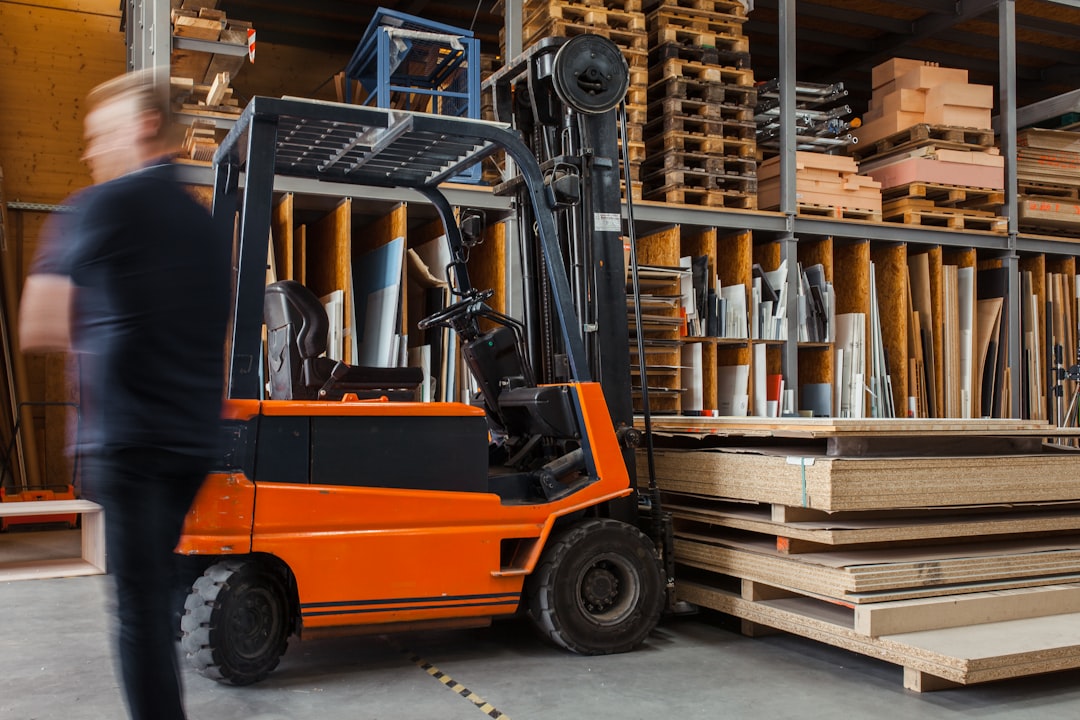
Many regions lack readily available eco-friendly materials, making sourcing a major challenge for sustainable design in industrial spaces. Unlike conventional construction materials, sustainable alternatives such as recycled steel, low-carbon concrete, and responsibly sourced timber are often produced in limited quantities or require specialized suppliers. This scarcity can lead to increased procurement costs, logistical complications, and extended lead times, ultimately affecting project feasibility.
Delays in sourcing sustainable materials can disrupt construction schedules, leading to increased labor costs and project overruns. In some cases, businesses may be forced to compromise on their sustainable design goals by opting for less eco-friendly alternatives due to time constraints or budget limitations. Additionally, navigating supplier certifications and verifying the authenticity of sustainable materials adds another layer of complexity, as businesses must ensure compliance with environmental standards and avoid greenwashing practices.
To overcome these challenges, industrial projects must integrate sustainable design strategies early in the planning phase, identifying reliable suppliers and exploring locally available alternatives to reduce transportation emissions. Proactive material sourcing, bulk procurement planning, and collaboration with sustainability-focused vendors can help mitigate these risks, ensuring that sustainable design remains a priority without compromising efficiency or project timelines.
What Business Owners Gain by Understanding This:
By identifying reliable local and international suppliers, businesses can prevent material shortages, lower transportation costs, and improve sustainability metrics.
Implementation Strategies
What Happens If This Challenge Is Ignored:
Businesses may be forced to switch to non-sustainable alternatives, reducing the overall effectiveness and credibility of their green initiatives.
3. Integration Challenges with Existing Industrial Infrastructure
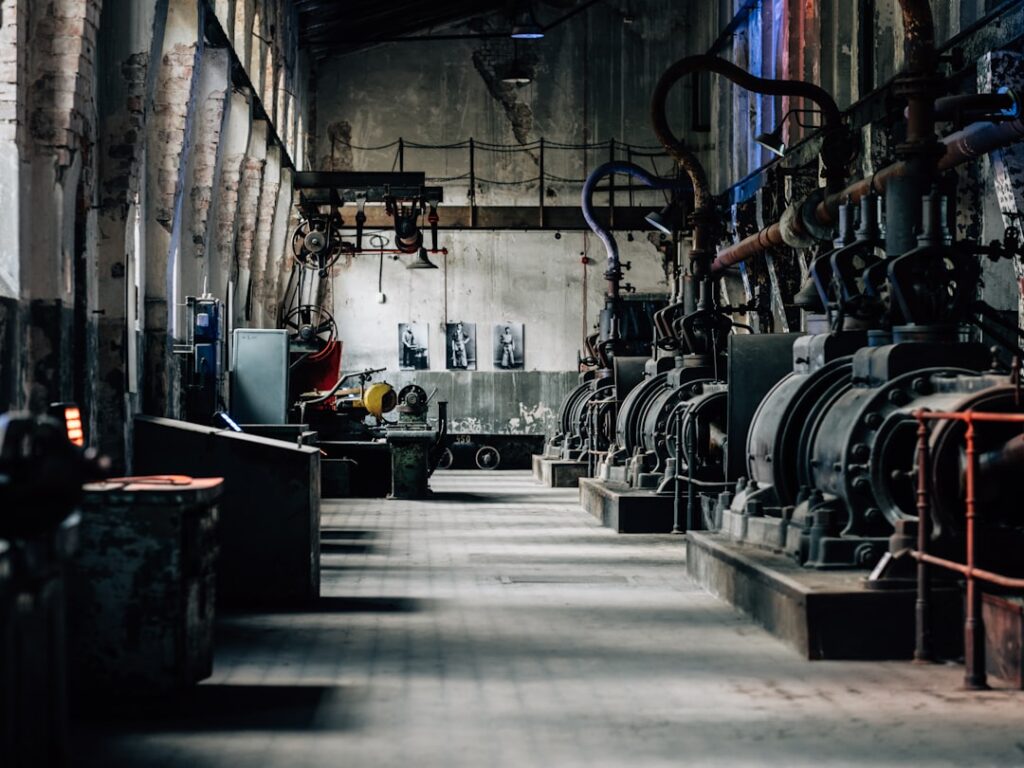
Many industrial facilities were not originally designed with sustainable design in mind, making retrofitting a significant challenge. Older buildings often rely on outdated infrastructure, inefficient energy systems, and high-emission materials, which can make integrating modern sustainability solutions both complex and costly. Unlike new constructions, where sustainable design can be incorporated from the ground up, existing industrial spaces require careful modifications to accommodate energy-efficient systems, renewable energy sources, and waste reduction methods without disrupting ongoing operations.
Retrofitting sustainable design elements into these facilities often involves structural reinforcements, upgrading HVAC systems, and installing advanced energy management technologies. However, space constraints, incompatible building layouts, and outdated electrical and plumbing systems can create additional hurdles, increasing both project timelines and expenses. Businesses may also face regulatory compliance challenges, as older facilities may not meet modern environmental standards, requiring further investments in retrofitting to align with sustainability goals.
Despite these obstacles, integrating sustainable design in existing industrial buildings offers long-term benefits, including lower energy consumption, reduced operational costs, and improved environmental performance. A phased approach, prioritizing the most impactful upgrades first—such as LED lighting, insulation improvements, and solar panel installations—can help businesses transition toward sustainable design without excessive financial strain. By carefully planning retrofits and leveraging government incentives or green financing options, industrial visionaries can transform aging facilities into efficient, future-ready industrial spaces that align with sustainability commitments.
What Business Owners Gain by Understanding This:
By proactively designing for smart infrastructure integration, businesses can reduce retrofitting costs, optimize energy usage, and future-proof their operations.
Implementation Strategies
What Happens If This Challenge is Ignored:
Ignoring infrastructure limitations can result in higher operational costs, inefficient energy use, and difficulty in scaling sustainable practices.

4. Complex Regulatory & Compliance Requirements
Sustainable industrial design is subject to evolving environmental laws. Many businesses struggle with meeting compliance standards, leading to unexpected legal roadblocks, fines, or redesigns.
What Business Owners Gain by Understanding This:
By ensuring early regulatory compliance, businesses can avoid legal penalties, speed up approval processes, and strengthen their brand’s environmental responsibility.
Implementation Strategies
What Happens If This Strategy is Ignored:
Failure to meet compliance standards can result in regulatory fines, delayed operations, and reputational damage.

5. Resistance to Change from Employees & Stakeholders
Many employees and business leaders resist sustainability initiatives due to concerns about workflow disruptions, retraining efforts, and perceived inefficiencies.
What Business Owners Gain by Understanding This:
By fostering a culture of sustainability, businesses can increase employee engagement, ensure smoother adoption, and enhance overall operational efficiency.
Implementation Strategies
What Happens If This Strategy is Ignored:
Lack of employee engagement and stakeholder support can slow down sustainability efforts, leading to resistance, inefficiencies, and higher implementation costs.
6. Balancing Sustainability with Operational Efficiency
Some sustainability measures interfere with industrial efficiency if not properly integrated. For example, using excessive natural lighting may cause temperature fluctuations, impacting worker comfort and machinery performance.
What Business Owners Gain by Understanding This:
By designing sustainability solutions that align with operational needs, businesses can reduce costs while improving productivity.
Implementation Strategies
What Happens If This Strategy is Ignored
Poorly implemented sustainability measures can increase downtime, reduce efficiency, and create conflicts between eco-friendly goals and operational demands.

7. Lack of Ongoing Sustainability Monitoring & Maintenance
Many businesses focus on initial sustainability implementation but fail to monitor long-term performance. Without ongoing optimization, the benefits of green initiatives diminish over time.
What Business Owners Gain by Understanding This:
By tracking sustainability performance, businesses can continuously improve efficiency, extend equipment lifespan, and ensure lasting cost savings.
Implementation Strategies
What Happens If This Strategy is Ignored
Without continuous monitoring, businesses may experience performance declines, missed compliance targets, and increased long-term costs.
Final Thoughts
For Industrial Visionaries and Business Owners, understanding and addressing the unseen challenges of sustainable industrial design is essential for long-term success, regulatory compliance, and cost efficiency.
Key Takeaways:
Failing to anticipate these seven challenges can lead to unexpected costs, operational inefficiencies, and compliance failures. By adopting strategic planning, businesses can turn sustainability into a competitive advantage.
